Projects
Back home-
Anti-Censorship Card Game
Educational card game prototype for learning anti-censorship strategies, threat patterns, and practical response choices in constrained information environments.
Anti-Censorship Card Game is a training-oriented game concept that introduces digital freedom tactics through structured play. Players combine scenario cards, constraint cards, and response options to test strategies for keeping access to trustworthy information.
The game is intended as a lightweight, repeatable format for workshops and community sessions where technical backgrounds vary. It helps participants discuss risk, coordination, and resilience in a way that is accessible, collaborative, and action-oriented.
-
Internet Shutdown Role-Playing Simulation
Interactive workshop simulation that helps participants experience digital survival decisions under internet shutdown and authoritarian pressure scenarios.
Internet Shutdown Role-Playing Simulation is a participatory learning format designed to help people understand how communication, safety, and coordination break down during connectivity restrictions. Participants work through realistic constraints and tradeoffs to practice decision-making in high-risk digital environments.
The format translates abstract digital rights and resilience concepts into concrete actions: who gets information first, how trust is validated, and which channels remain viable when systems are partially blocked. It supports advocacy, training, and strategic planning for civil society and media communities.
-
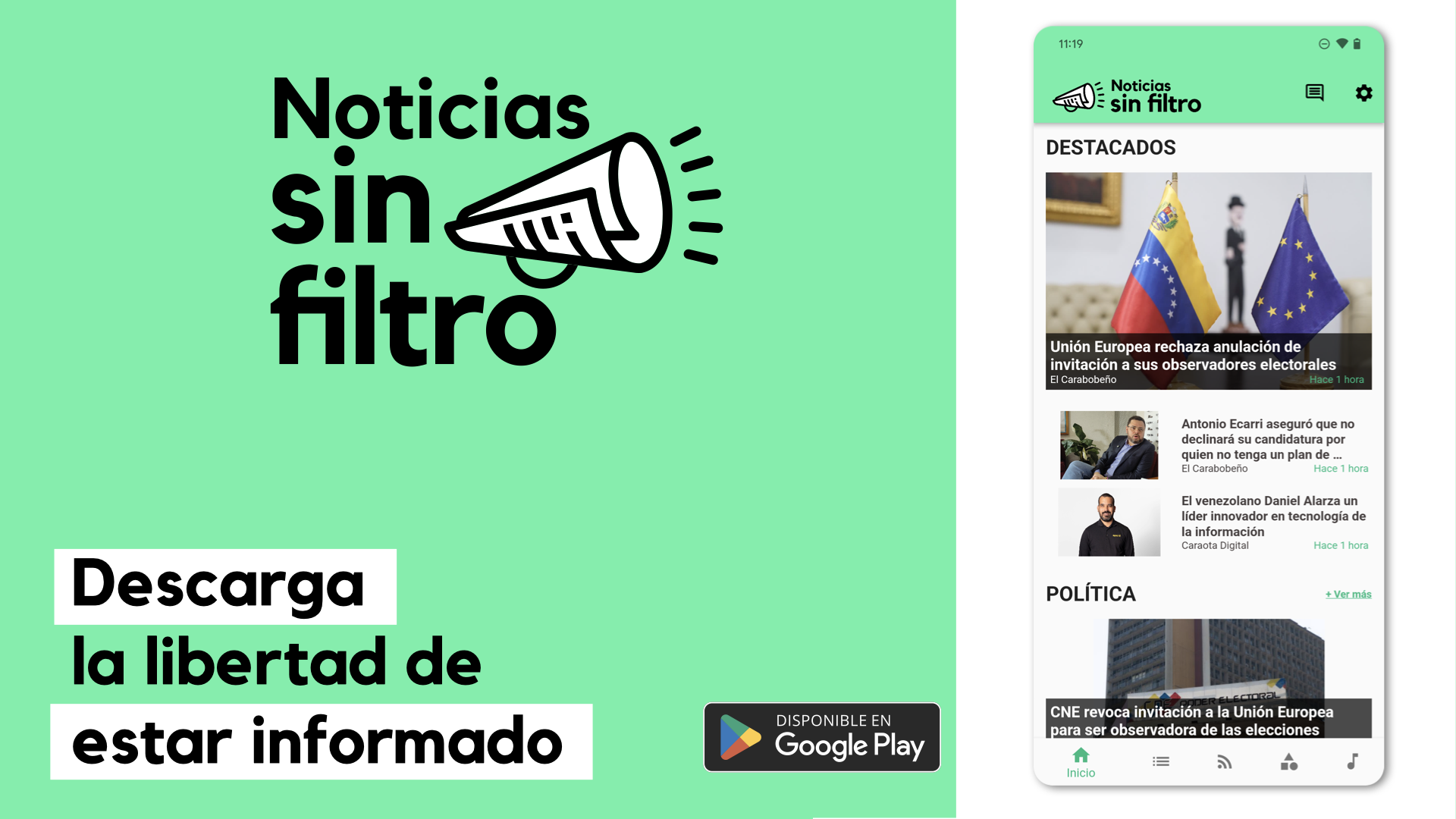
Noticias sin Filtro
Censorship-resilient news access initiative designed to help people in Venezuela reach independent media despite blocking and restrictions.
Noticias sin Filtro is a free news app from Conexión Segura y Libre and the VE sin Filtro ecosystem that helps people in Venezuela reach independent media when websites are blocked or difficult to access. Instead of asking readers to understand anti-censorship tools first, the project wraps that infrastructure in a familiar mobile news experience.
The app brings together independent news sites, radio-style programs, podcasts, and offline reading so people can keep access to reliable information even when connectivity is unstable. It is a practical example of Andrés's work translating digital rights infrastructure into public-facing tools that meet people where they are.
-
Comovotar.com
Civic election information and voting simulator project built to help citizens understand voting steps and procedures.
Comovotar.com was a civic technology project created to help Venezuelans understand the voting process before going to the polls. Its interactive simulator walked people through the stages of electronic voting, turning a stressful procedural question into something voters could rehearse ahead of election day.
During the 2012-2013 election cycle, the project became part of a broader civil-society effort around voter education and electoral participation. It showed how lightweight web tools can answer practical questions, reduce friction, and give citizens more confidence in moments when clear public information matters.
-
Red Elección Ciudadana
Collaborative civic network focused on electoral transparency, citizen participation, and public-interest election information.
Red Elección Ciudadana was a coalition initiative that brought together civil-society organizations to inform voters and gather citizen reports around Venezuela's April 14, 2013 presidential election. The network connected voter guidance, reporting channels, and public-interest election information through web, social media, phone, and SMS pathways.
Its work combined civic technology with on-the-ground accountability: helping people understand the voting process while creating channels to document irregularities, intimidation, abuse of public resources, and other election-day concerns. The project sits squarely in Andrés's long-running practice of building practical systems for citizen participation under pressure.
-
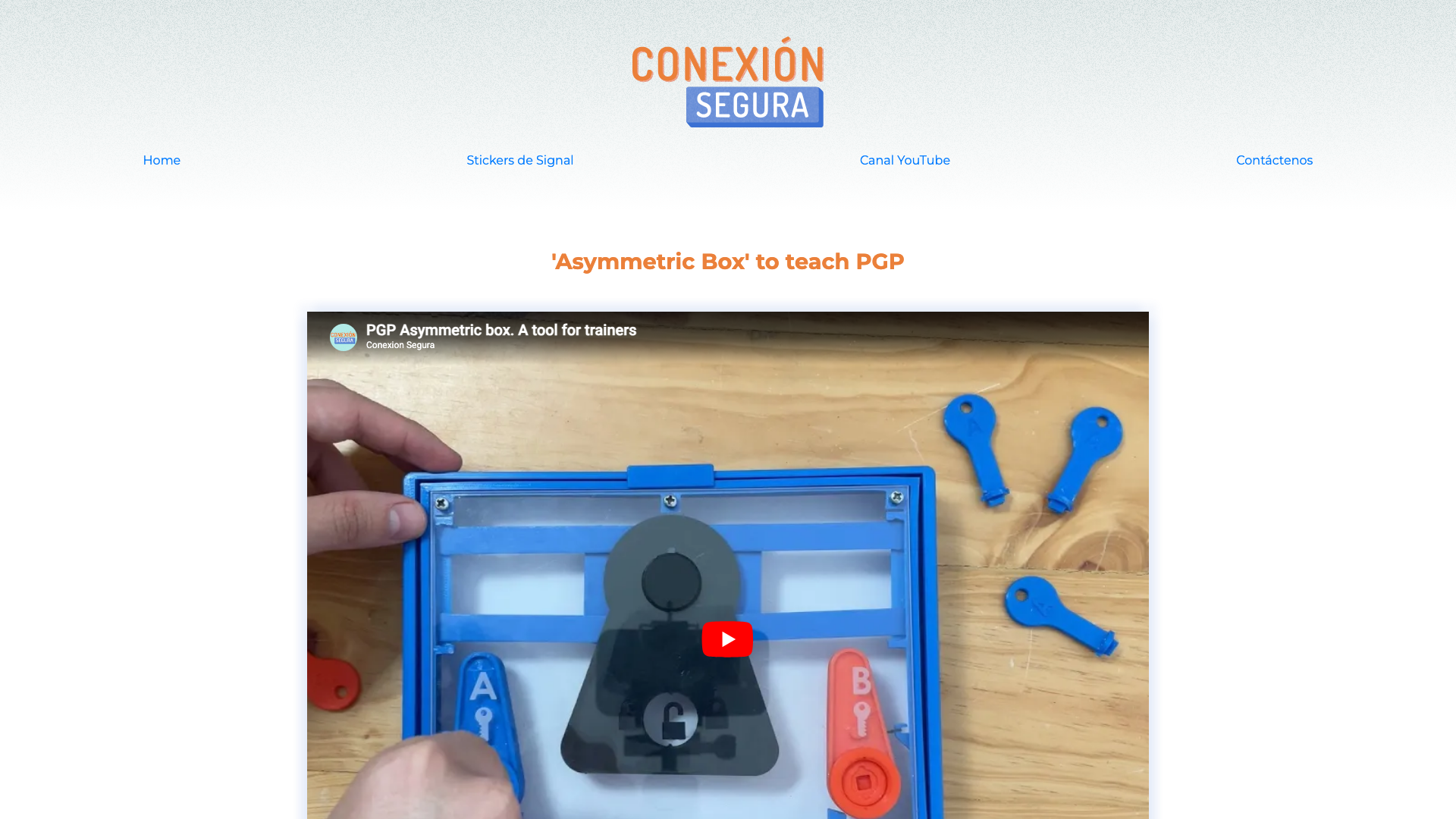
PGP Box
Hands-on educational resource that explains public-key cryptography using physical interaction and practical learning.
PGP Box turns one of digital security's most abstract ideas into something people can touch. The project uses a 3D-printed mechanical box to teach public-key cryptography, helping learners see why a public key can be shared openly while a private key stays protected.
Designed as an open educational resource, it reflects a training philosophy rooted in accessibility: security concepts should not belong only to specialists. By making encryption physical, playful, and teachable, the project gives trainers a better bridge into conversations about safer communication.